Handmade in rural Zhejiang, China

How incense works
How Plants Carry Scent
Incense releases the scent held in plants.
Here nothing is burned. Scent is released through air, warmth, or gentle heat — some warm and slow, some light and fleeting, some deeper and more lasting. Each method follows the material, the season, and the air.
Weight diffusion and longevity
Five aroma families
Structure and oil content shape each plant, as does how it is prepared.
That is why each releases scent differently.
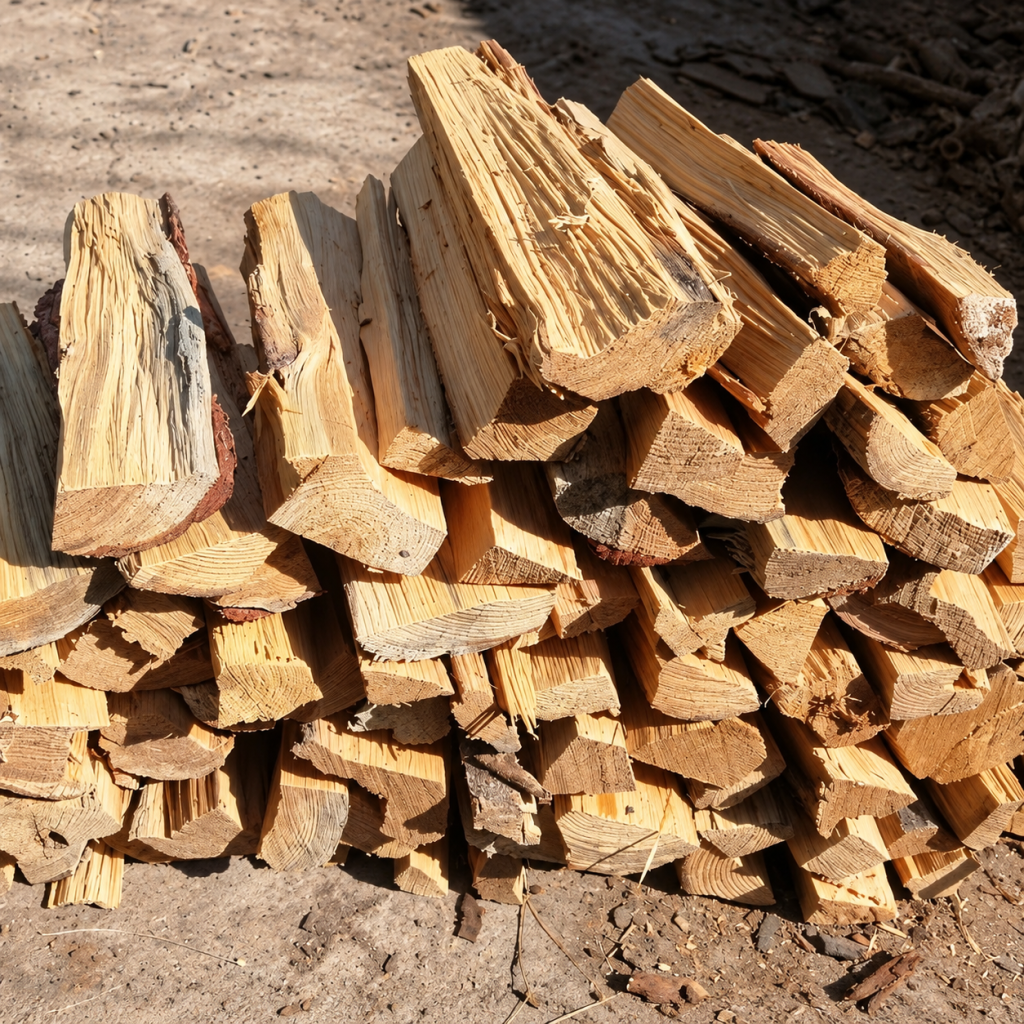
Deep dry grounding
Woods
Woods carry the quiet warmth of bark, roots, and aged timber — slower to unfold, but lasting gently in the air.
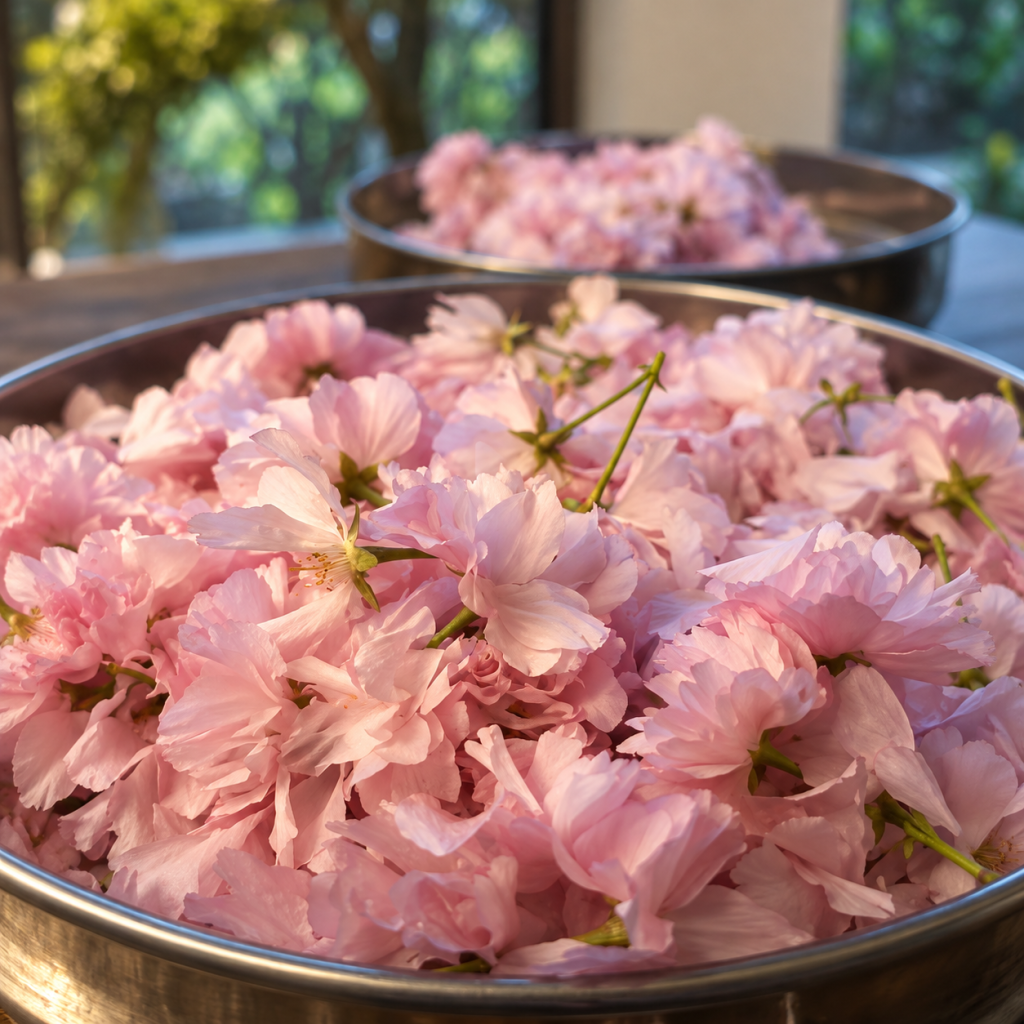
Soft luminous diffusive
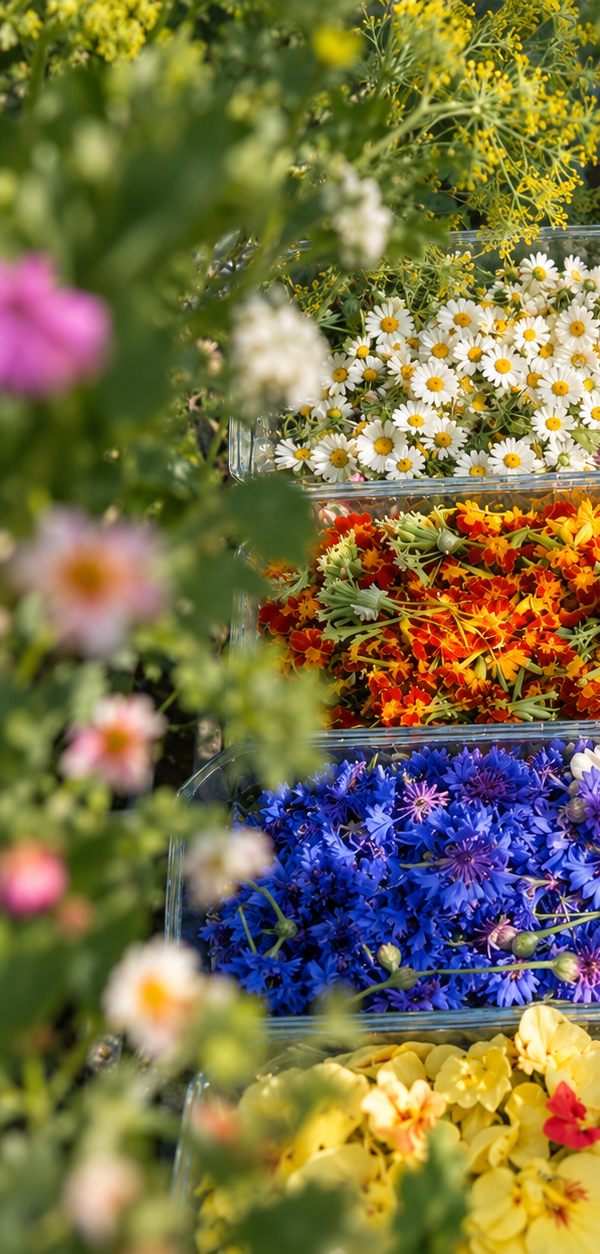
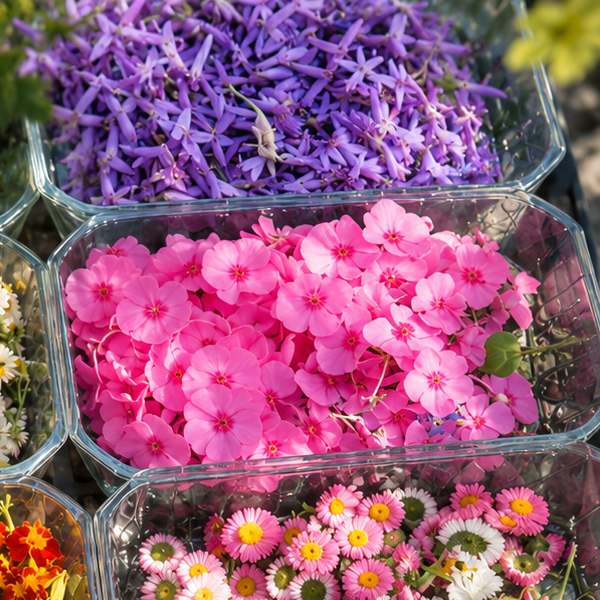
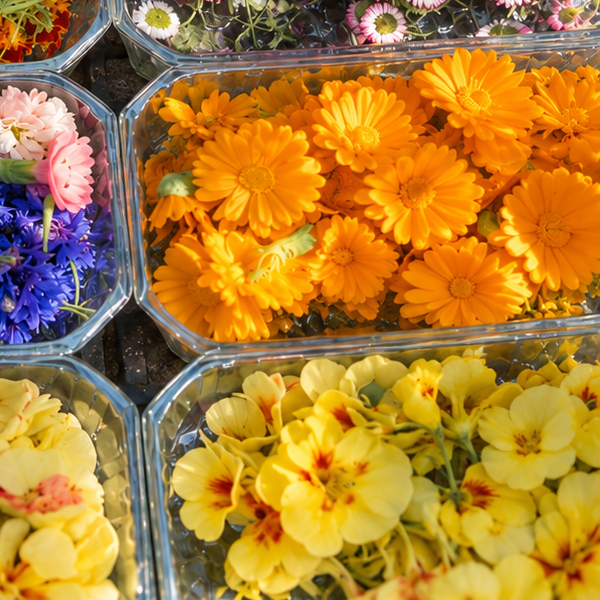
Flowers
Floral notes feel airy and immediate, adding lift, delicacy, and a little movement to a blend.
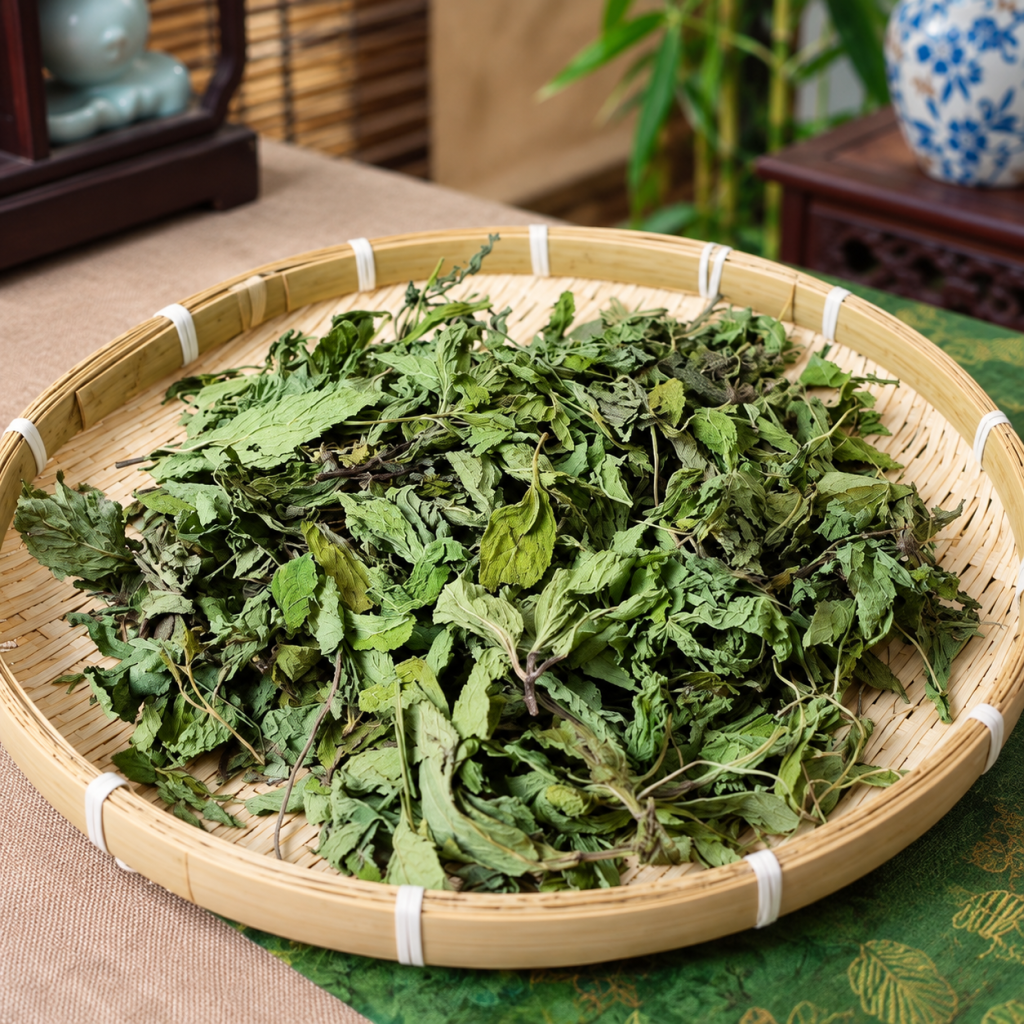
Green restrained concentrated
Herbs and Leaves
Dried herbs and leaves hold the scent of stems, foliage, and sun-warmed hay — restrained, concentrated, and quietly herbal.
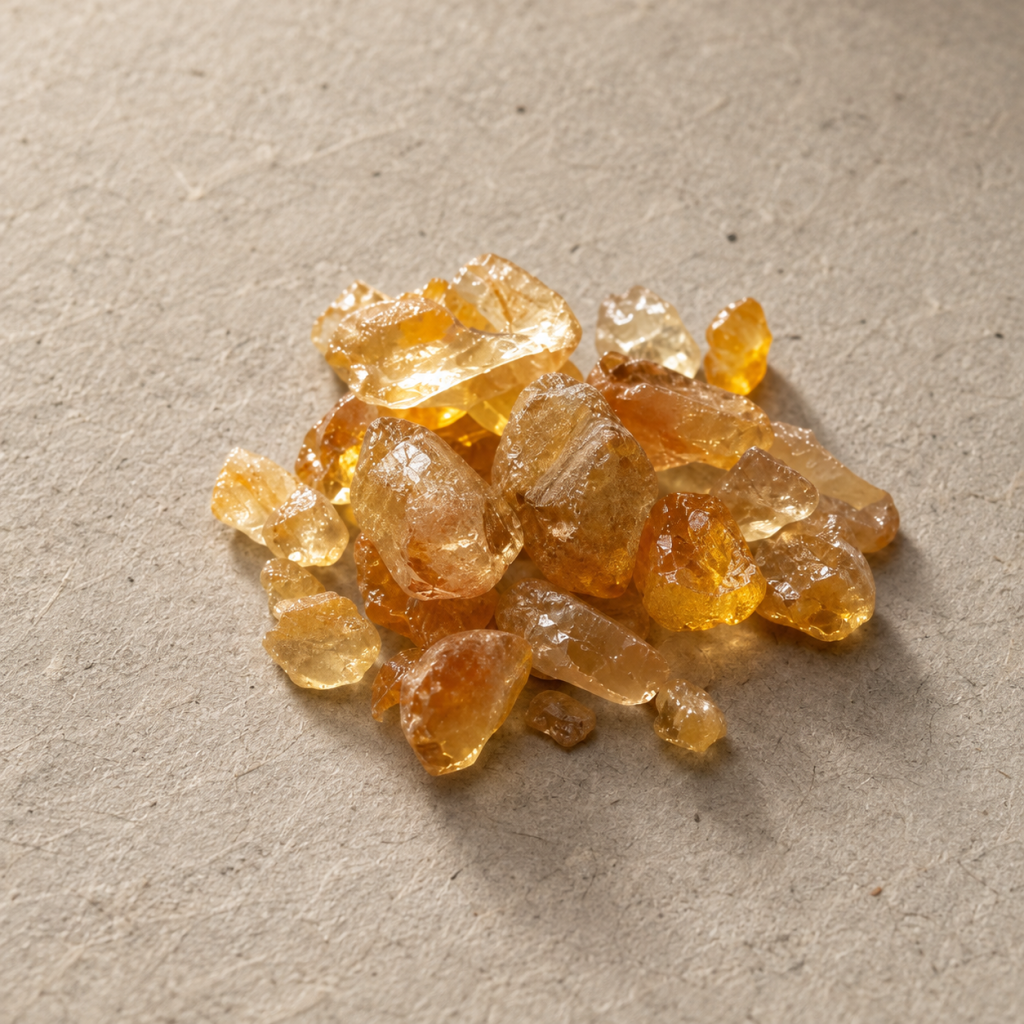
Warm dense lingering
Resins
Resins release a deeper aroma through heat and time, adding richness and softness to a room.
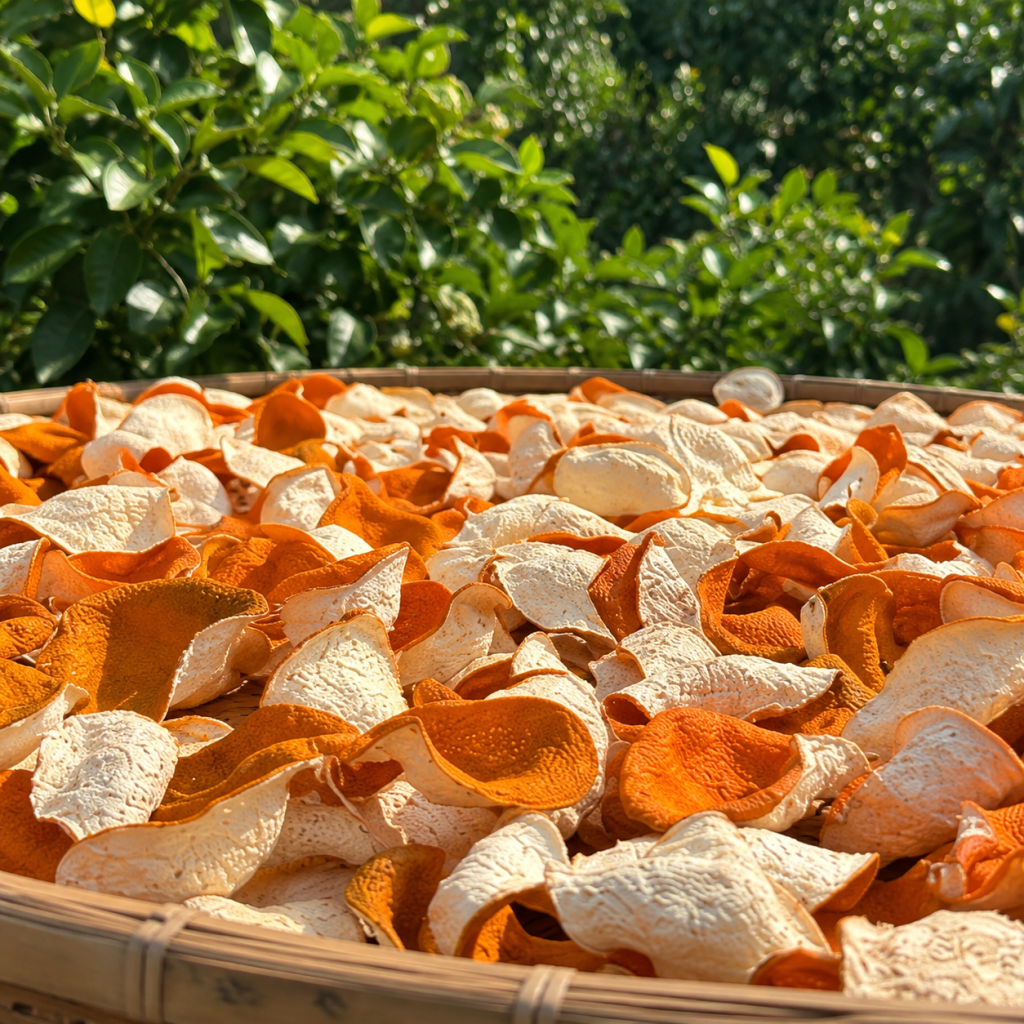
Bright sparkling uplifting
Citrus and Peels
Citrus peels bring freshness and clarity — sharp at first, then fading into a softer sweetness.
Two come from the plant
What Shapes a Plant’s Aroma
Each note is shaped slowly — by years of growth and climate
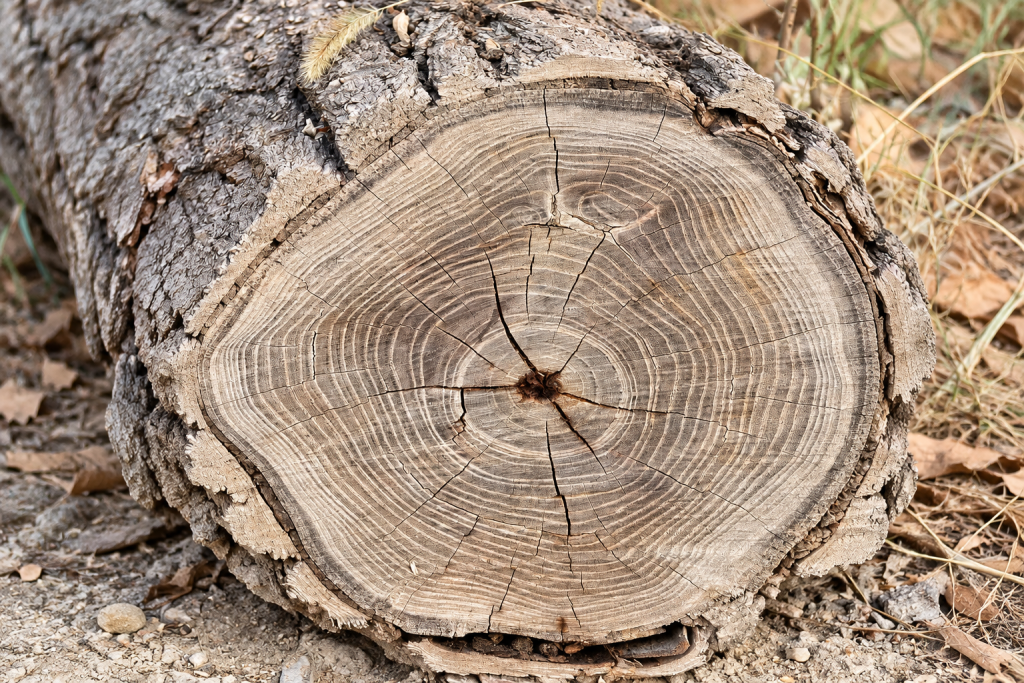
Age and Maturity
Time changes a plant. The longer it grows, the more its scent moves from bright and quick toward something rounder and steadier.
Example Sandalwood
Young tree
A young tree has barely formed its fragrant heartwood.
25+ years
After 25+ years, the heartwood holds far more oil, and its scent turns warmer and lasts longer.
Climate and Humidity
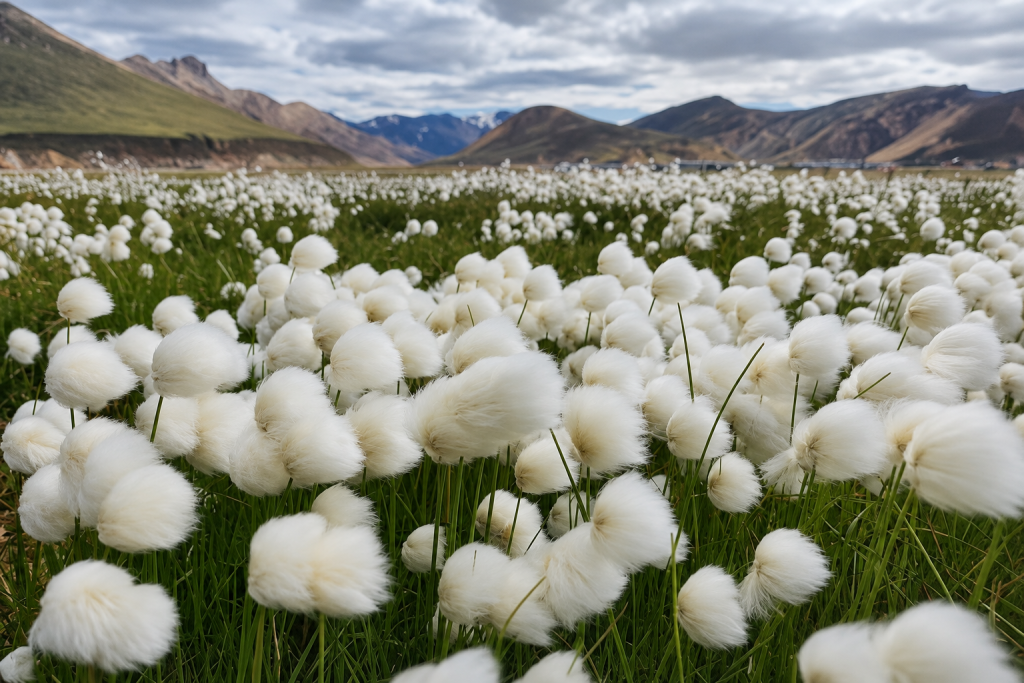
The climate a plant grows in shapes its scent. The air around it later decides how that scent opens and lasts.
In humid air
A material’s scent spreads more fully.
In dry air
It stays closer and unfolds more slowly.
Hands and warmth are ours
Traditional Preparation Methods
There is no single method. It depends on the material and the aroma we want to bring out —
some need one step, others several in layers.
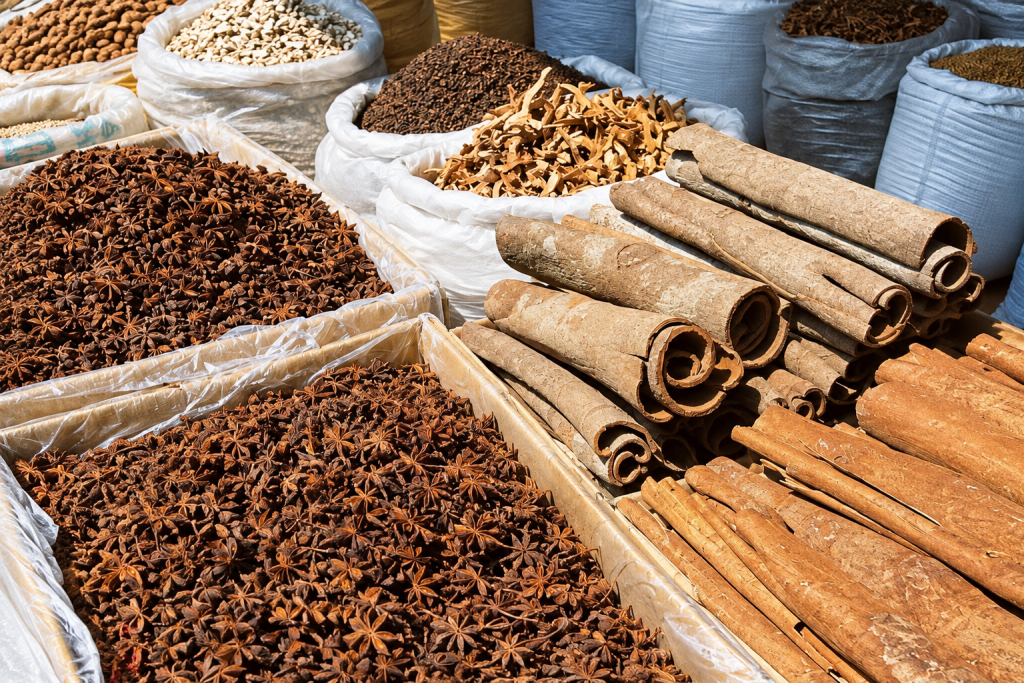
CLEAN LIGHT AIRY
Sun Drying
Natural light, moving air, and time slowly draw moisture from leaves, peels, woods, and resins — no intense heat. The aroma turns cleaner and lighter, while damp, green edges soften.
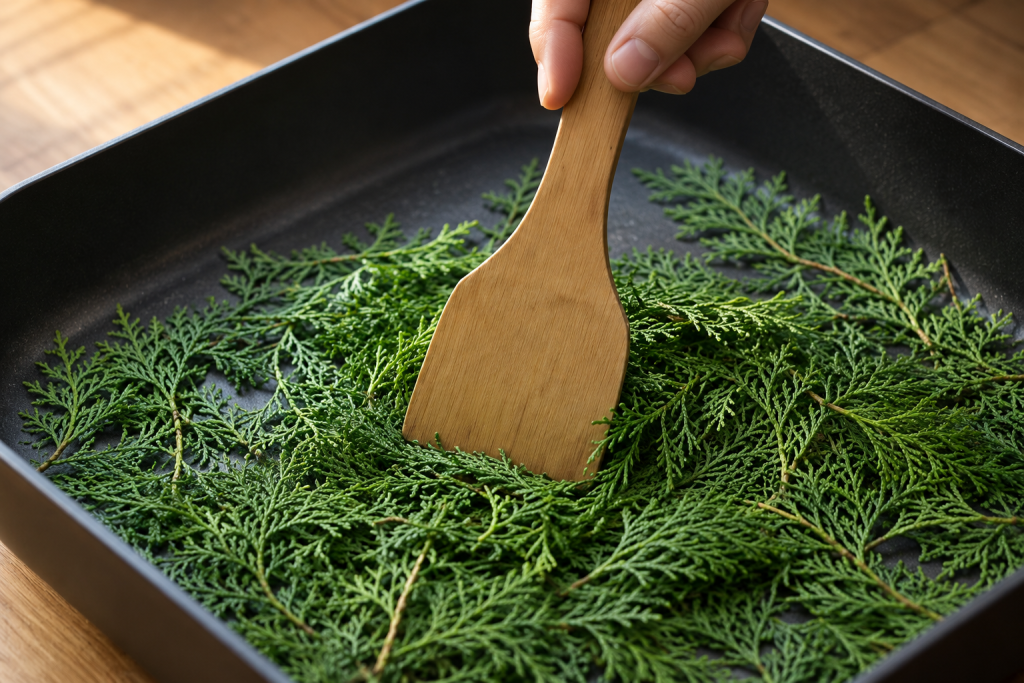
WARM DEEP TOASTED
Low-Heat Roasting
Materials are warmed slowly at a controlled temperature to remove the last moisture and steady their aroma — never burned. Sharp edges soften and deeper, rounder notes come forward.
SOFT SMOOTH INTEGRATED
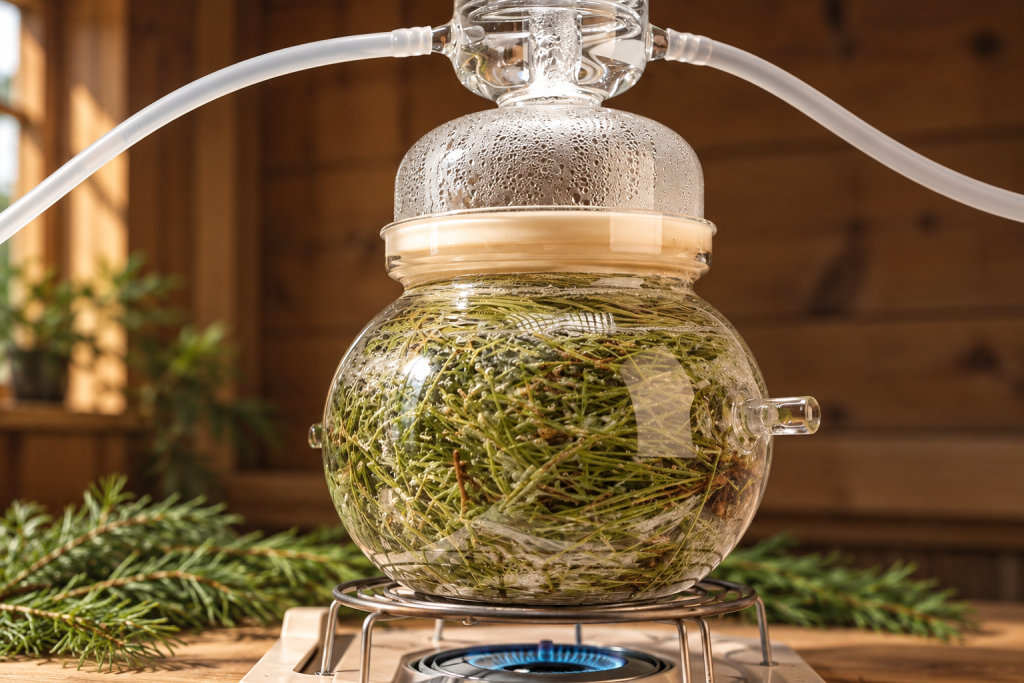
Steaming
Controlled moisture and heat soften dense fibers and open the material’s aromatic structure, often before drying or aging. The change is quieter: harsh edges smooth out and the scent turns soft.

ROUND SETTLED MELLOW
Natural Aging
Prepared materials rest while air, temperature, humidity, and time keep shaping them. In a cool, dim, gently aired room, sharp notes settle into a rounder, mellower scent.
TEMPERED SWEETENED COAXED
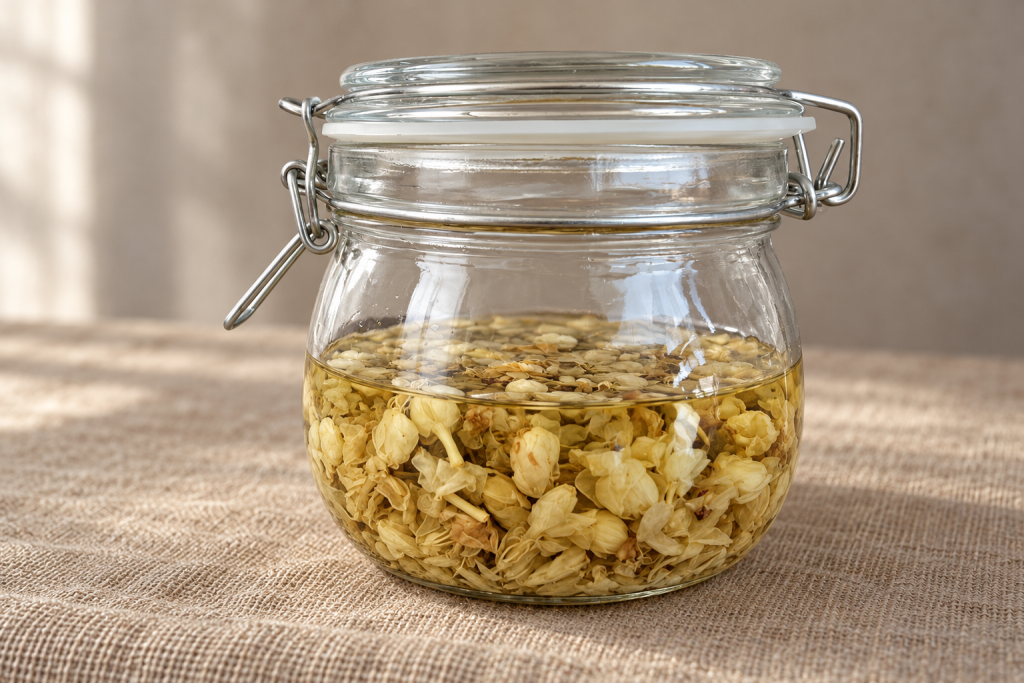
Steeping
Before use, the material soaks in liquid — honeyed water for resinous woods, clear tea for sandalwood — then warms slowly over low heat. The raw edge comes off, and dense materials open sooner.
BALANCED LASTING COMPOSED
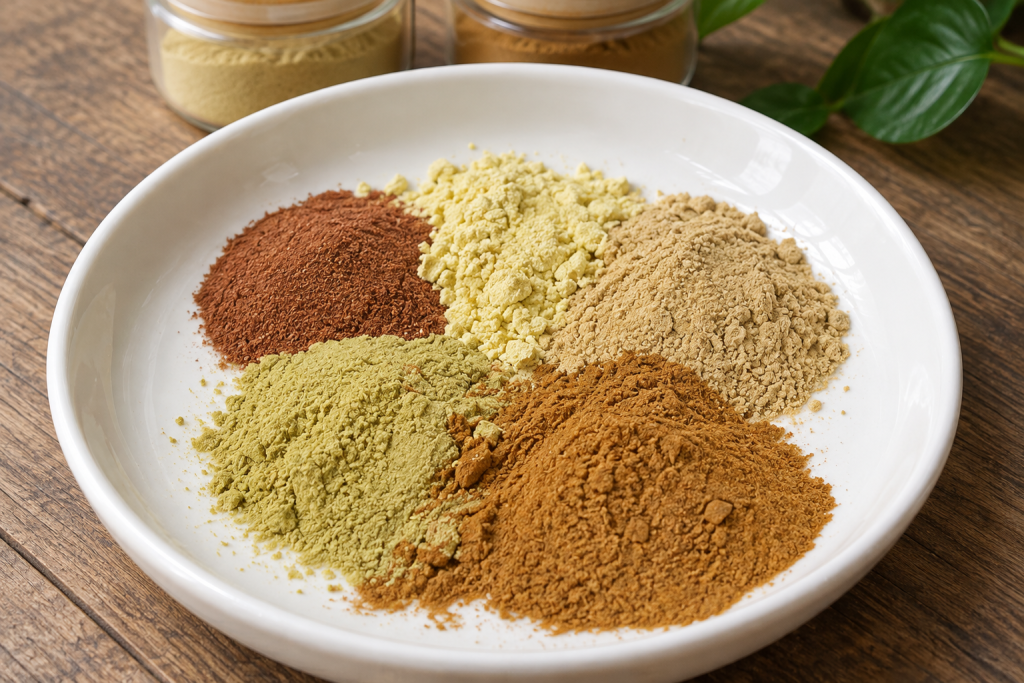
Harmonizing
Materials of different aromatic weights, speeds, and textures are combined in careful proportion, so top, middle, and base notes each play a part. Each keeps its own voice, and the blend lasts longer.