Scent as a small courtesy · Handmade in rural Zhejiang, China

Is Incense Bad for You?
Is incense bad for you, your cats, dogs or kids? What studies show about incense smoke, which worries are real, and what changes when you warm instead of burn.


Part of a series: Types of Incense: A Beginner’s Path to Botanical Scent, read 2 of 7.
The Short Answer
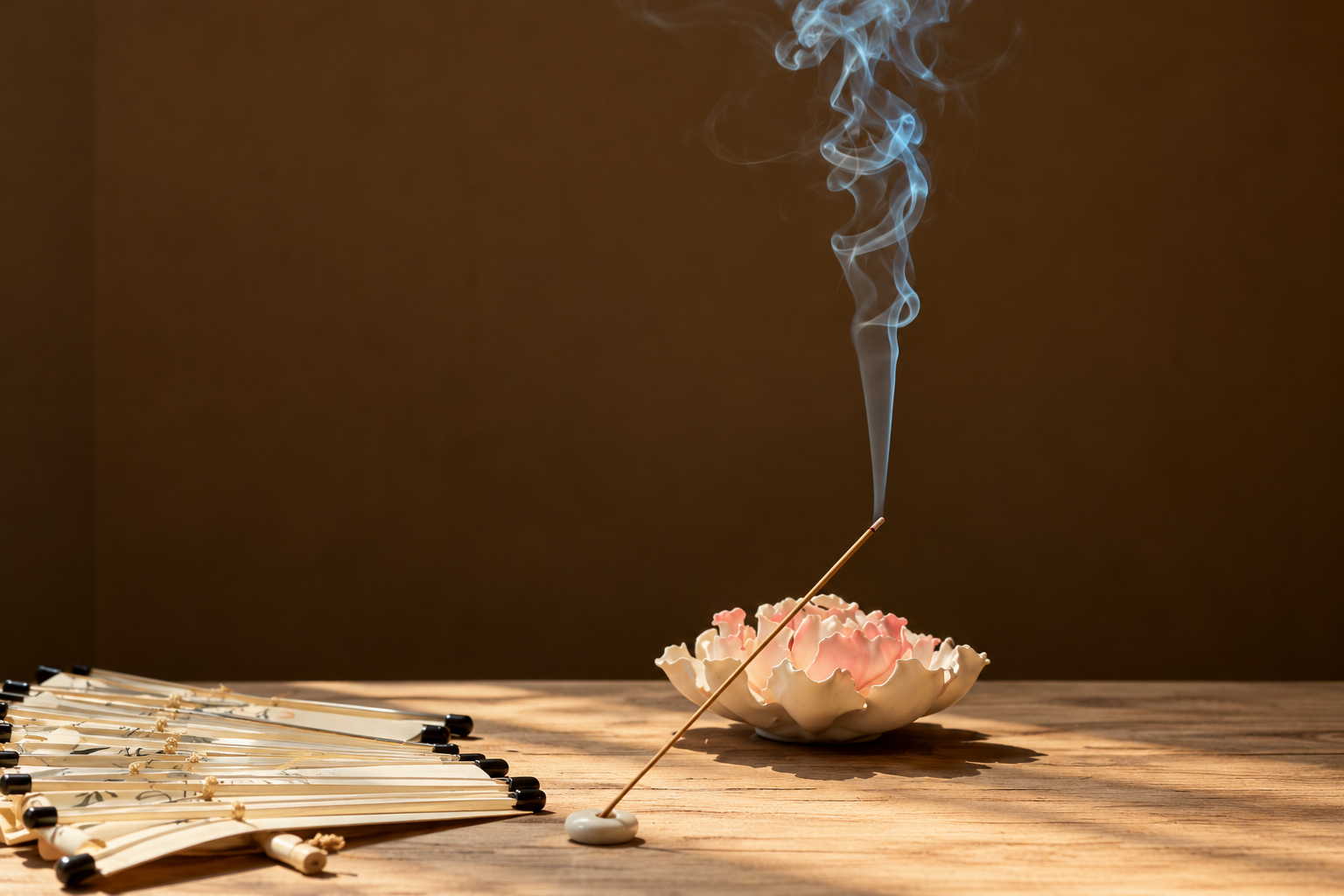
Burning incense isn’t bad in itself. The trouble is the smoke. The fine particles in that smoke can harm your body, especially when you burn incense often, or in a closed room with no airflow. Cats, dogs, children and people with asthma need extra care. Further down, we explain how warmed incense differs from burned incense.
Why People Still Burn Incense
Start with the scent. The smell of incense can lift your mood. Rose and other floral incense gives a room a sweet, fruity-floral note. Mint and lemongrass feel cool and clear, and many people use them to stay alert. Then there is the setting. People light agarwood or sandalwood during yoga or seated practice to feel more settled. These benefits are real. They are why people light incense at certain moments and rituals: it feels good. But that doesn’t make all incense good.
What Is in Incense Smoke
Incense gives off scent because aroma molecules in the material are released when it is heated or burned. Your nose picks them up. When incense is only heated, what escapes is the aroma molecules attached to the material. The body of the material does not burn. So it never makes the smoke that burning makes: fine particles (PM2.5), carbon monoxide, formaldehyde, polycyclic aromatic hydrocarbons and similar compounds.
A stick of incense holds the usual plant material and binder, and some makers also add fragrance or industrial chemicals to boost the scent. Burn those, and the harm to your body can be greater.
What the Studies Actually Show
In some lab reports, gram for gram, burning incense gives off more particles than cigarettes. A 1996 laboratory study burned three kinds of incense sticks in a 4-cubic-meter room (about 140 cubic feet). On average, each gram produced more than 45 mg of particles. Cigarettes, under the same conditions, produced about 10 mg. But incense varies widely. A later test of 23 kinds measured 5 to 56 mg per gram. The 1996 study also found that, relative to particles, cigarettes gave off more carbon monoxide and nitrogen oxides.
The numbers show that burning incense makes a lot of particles. They do not show that incense is simply more toxic than cigarettes.
Who Is at Higher Risk
At ZendoDream, we think burned incense calls for extra care. Watch for people who are already allergic to certain materials. Pay special attention to people with asthma or COPD, and to children. Their lungs are weaker to begin with, so burned incense hurts them more. This holds most of all in a sealed room, or when incense burns every day.
Cats and Dogs
Cats and dogs have a far keener sense of smell than we do, so long stretches of burning incense at home can hurt them. You can see it in how they act: sneezing, coughing, faster breathing, hiding.
Warming vs. Burning
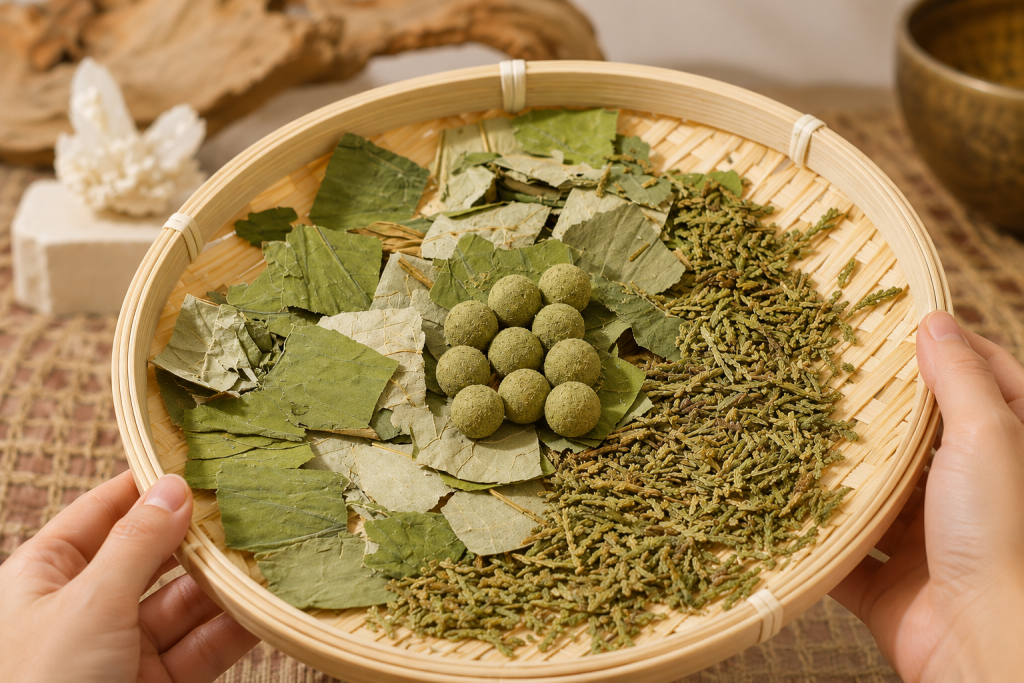
Ordinary burned incense gives off smoke and particles on top of its scent, and we covered the pros and cons above. We follow the traditional Chinese way of enjoying incense: our incense pellets are never lit. They warm gently and release scent molecules slowly. No smoke. No ash.
FAQ
Is burning incense bad for your lungs?
Burning incense makes smoke, and that smoke carries fine particles and gases that can irritate your airways. The risk shows up mainly with long-term, frequent burning, and in closed rooms with little airflow.
Is incense bad for cats and dogs?
Cats and dogs have a far keener sense of smell than we do, and long-term burning at home can hurt them. Watch for sneezing, coughing, fast breathing or hiding.
Is incense bad for babies and children?
Children’s lungs are weaker to begin with, so burned incense hurts them more. Take extra care in a sealed room, or when incense burns every day.
Is burning incense as bad as smoking?
In some experiments, gram for gram, burned incense gave off more particles than cigarettes (about 45 mg versus 10 mg per gram). But incense varies widely, so we can’t simply say it is more toxic than cigarettes.
Is incense smoke bad for you?
Burning incense makes smoke with particles (PM2.5), carbon monoxide, formaldehyde and polycyclic aromatic hydrocarbons. If the stick also contains fragrance or industrial chemicals, burning it can do more harm.

How to Make Incense Pellets: From Plant Powder to a Honey-Kneaded Pellet
How we make incense pellets by hand: 50-mesh powder, honey-kneaded dough, a rest, seven days of shade-drying. Made…
What Is Incense? What It Is Made Of, and How to Tell Good Incense
Incense is wood, resin and plants bound into a stick, cone or bead, or a blank stick dipped…
Chinese Tea Culture: Why Tea and Incense Belong Together
Where tea culture comes from, why tea and incense have shared a table since the Song dynasty, and…
The scent behind this story
Slow Heart · Heated
Creamy sandalwood at the front, the quiet depth of agarwood, a soft resin sweetness underneath: 35 hand-rolled sandalwood incense pellets in a white porcelain jar, each rolled in fine sandalwood shavings. Heated at 150°C / 300°F, never burned, so no smoke and no ash. Our pick for reading, the desk and the tea table. Let the heart settle, and take your time with this moment. An incense burner is not included. Heat the pellets on a burner at 150°C / 300°F and never place them directly into a flame. How to use is below.
$68.00
View product →