Scent as a small courtesy · Handmade in rural Zhejiang, China

What Is Incense? What It Is Made Of, and How to Tell Good Incense
Incense is wood, resin and plants bound into a stick, cone or bead, or a blank stick dipped in fragrance. What it is made of, and how to tell good incense.


Part of a series: Types of Incense: A Beginner’s Path to Botanical Scent, read 1 of 7.
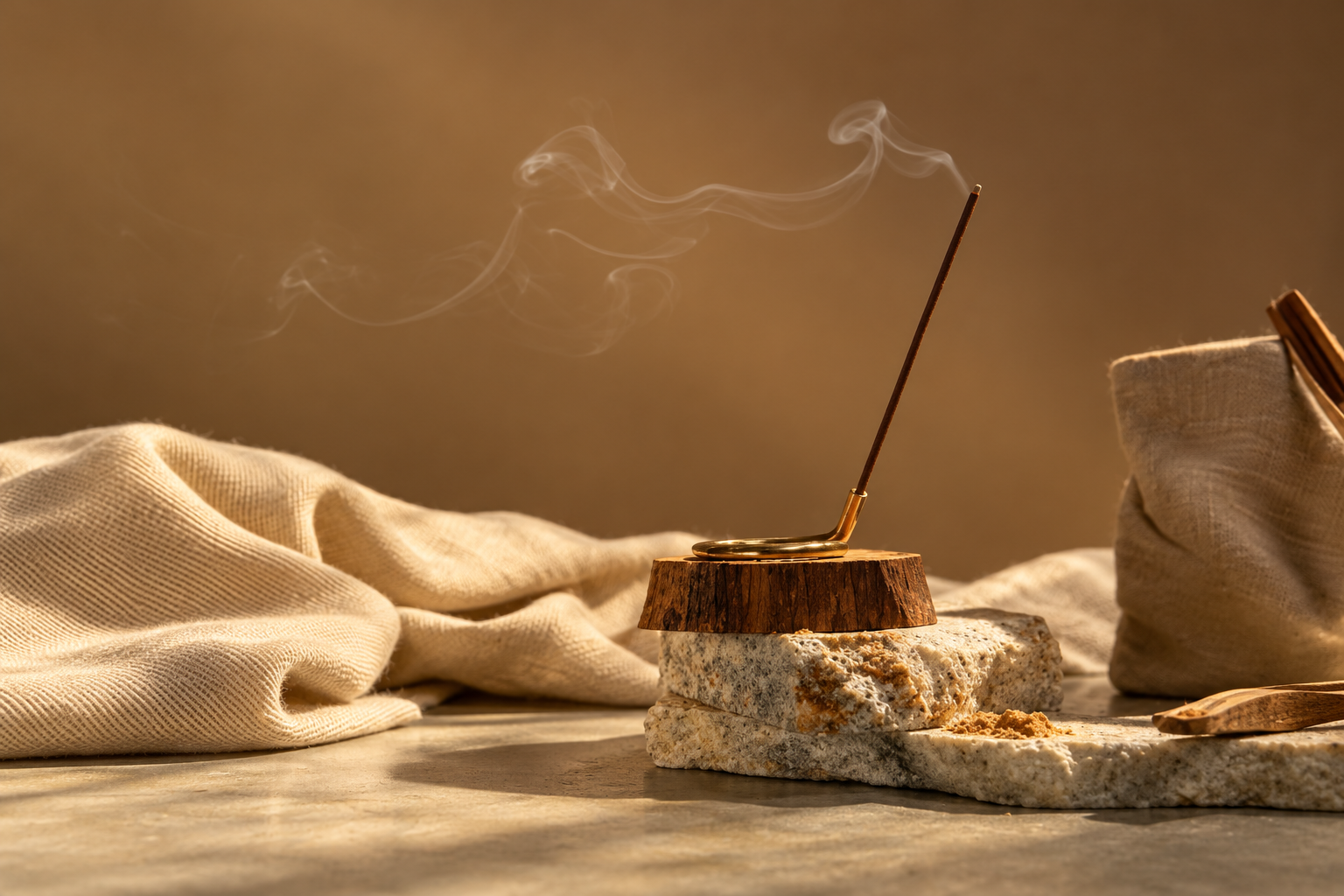
Incense is plant material that gives off scent when it is lit or heated. Turn over most boxes, though, and the ingredient list is blank, or it says one word: fragrance. The front says sandalwood, and you have no way to know if any sandalwood is inside. We make incense from ground plants with nothing added on top, and this is what we have learned to look for.
This guide covers what incense is, what it is made of, how good incense differs from bad, which materials make good incense, how incense is made, and how to buy it.
In one sentence: incense is wood, resin and plants, ground and bound into shape, that give off scent when lit or heated, and good incense gets its scent from those materials alone.
What Is Incense?
Incense is plant material that releases scent when it is burned or heated. The English word comes from the Latin incendere, “to set on fire,” and Late Latin incensum meant “that which is burned.” Incense comes in two kinds, depending on how the scent gets out. Direct-burning incense, such as sticks, cones and coils, is lit at one end and keeps smoldering on its own until it is gone. Indirect-burning incense can’t burn by itself. Resins like frankincense and myrrh, and pressed pellets or beads, sit on hot charcoal or an electric burner, and the heat carries their scent into the room. No flame touches them. The two kinds can share the same materials. What changes is whether the incense holds its own fuel or borrows heat from something under it.
What Is Incense Made Of?
A stick of direct-burning incense is usually made of four things:
- Aromatics: wood, resin, flowers, herbs and spices, ground to powder. The scent comes from here.
- Binder: holds the powder in shape. The traditional binder is ground tree bark from the Machilus genus, called tabu or makko in Japan. More on it in what holds a botanical bead together.
- Base: wood or charcoal powder that keeps the stick burning. Industrial recipes often add potassium or sodium nitrate to help it burn.
- Added fragrance: essential oil or fragrance oil, soaked or sprayed onto the finished stick.
The bamboo stick isn’t an ingredient. It’s the core many sticks are built around. Indirect-burning incense needs no base at all. It is mostly aromatics, sometimes with a little binder.
Not all incense needs all four. Good and bad incense part ways right at the ingredient list. Good incense gets its scent only from its aromatics, so it needs just two things: aromatics and binder. Added fragrance has no job to do.
The base can be a pinch or nothing, because ground wood burns on its own, and so does bark binder. Incense that uses all four usually leans on charcoal to burn and on fragrance oil to smell.
So two boxes that both say sandalwood can hold different things. One smells of sandalwood powder ground into the stick. The other smells of a sandalwood-type fragrance soaked onto it. We call the first built-in scent and the second added scent.
High-Quality Incense vs. Bad Incense
Different ingredients make different incense. Side by side, it looks like this:
| High-quality incense (built-in scent) | Bad incense (mostly added scent) | |
|---|---|---|
| Where the scent comes from | Wood, resin and plants ground in | Fragrance soaked or sprayed on |
| Before lighting | Faint, smells of wood or herbs | Strong and sweet, like a plug-in room spray |
| Once lit | Layered, changes as it burns | One note from start to finish, fades fast |
| Smoke and char | You smell the scent first | You smell smoke and char first |
| Look | Uneven color, visible fibers | Bright, even color, smooth surface |
| Price | Higher, because the materials cost more | Lower, because the materials cost less |
Good incense smells of what it is made of. Bad incense smells of what was poured on it.
Why does some incense smell mostly of smoke? The fragrance sits only on the surface, over a core of charcoal or sawdust. The fragrance burns off first, and what’s left is smoke from the base. We look at smoke itself in is incense bad for you.
Buying guides in China teach the same checks: smell it unlit, watch how fast it burns, look at the ash, look at the color and the broken end. These checks help you guess. They prove nothing.
Some sellers say white smoke means pure incense, and some articles say cool ash means natural. We found no evidence for either.
In the end, incense is made to be smelled. If it smells harsh or bothers you, it isn’t right for you. Trust your nose. Good incense is faint but lasts, and it sits in the room as if it had always been there.
Which Materials Make Good Incense
If good incense gets its scent only from its aromatics, which materials can do that job? A material needs a scent of its own. It has to grind to powder or press into shape. And with heat, it should give off scent, not just char.
Across countries and centuries, incense makers have used much the same three groups.
Aromatic Wood
Sandalwood and agarwood are the two most expensive. Sandalwood heartwood has a warm, creamy scent of its own. Agarwood is the part of an Aquilaria tree that fills with resin after the tree is wounded or infected by fungi, and healthy wood barely smells. Traditional makers in northern China also use Chinese thuja.
Natural Resin
Frankincense, myrrh and benzoin are resins that seep from cut bark and harden. They are the main material in indirect-burning incense, and they are often ground into sticks too. Resin is sticky and oily, so recipes balance it with dry wood and bark powder.
Incense Herbs, Flowers and Spices
Flowers such as rose, osmanthus and lavender. Spices such as clove, cinnamon and cardamom. Then the long list of aromatic herbs. Traditional incense makers in Fujian, China, draw on several hundred of them, grown locally and brought in from elsewhere.
How Different Kinds of Incense Are Made
Methods differ by region, but the core step is the same. Powder is mixed with binder and water, kneaded into a dough, and shaped.
In China, incense powder is weighed out and mixed with binder powder and water into a soft dough, then shaped and dried. Careful makers age the sticks for a while after that. In Yongchun, Fujian, makers use another method. They coat thin strips of bamboo evenly with incense powder.
In Japan, the ingredients are weighed and mixed, a binding powder goes in, and water at about 80°C (176°F) turns the mix into a clay-like dough. The dough is pushed through small holes into long strands, or pressed into molds for cones and coils. The pieces are cut to length, laid on wooden boards and left for several days in a room with controlled temperature and humidity until they harden. Most Japanese sticks have no bamboo core.
Incense cones are the same dough pressed into a cone. Backflow cones have a hole in the base, so the smoke runs downward.
Resin is usually left whole and set on charcoal or an electric burner. Our pellets and beads are powder and binder rolled into balls. They are never lit. Heat or body warmth brings out the scent.
One method skips the dough. A plain bamboo stick is coated with charcoal powder or sawdust to make an unscented blank. Once dry, the blank is dipped in fragrance oil. That’s what dipped means on a label: added scent.
How to Buy Good Incense
Start with the math. Agarwood chips sell for several hundred to several thousand US dollars per kilogram. Sandalwood and agarwood both grow slowly, and good flowers are harvested once a year. A box that costs a few dollars and says agarwood or sandalwood can hold very little of either, if any.
How to Read the Incense Ingredients
Most incense lists no ingredients. When a box does, these are the words you’ll see most:
| On the label | What it says about the scent | What it doesn’t tell you |
|---|---|---|
| dipped / hand dipped | Blank stick soaked in fragrance, added scent | Hand means handmade, not what went in |
| fragrance / fragrance oil / parfum | Fragrance, added scent; the formula can stay secret | Which fragrance it is |
| essential oil | Plant oil, still added scent | Whether it is pure, and how strong |
| masala | Spice and wood powder rolled onto a stick, built-in scent | Whether fragrance was added later |
| charcoal / blank stick | Charcoal blank, usually the base for dipping | — |
| bamboo core | Has a bamboo core | A core doesn’t make it good or bad |
| makko / tabu / jigit / halmaddi | Plant binders | Whether the aromatics are real |
| “sandalwood scent” | Smells like sandalwood | Whether any sandalwood is inside |
If the list says fragrance oil or parfum instead of naming woods, resins or spices, the stick is most likely dipped. As for natural on the front: in the US, the word has no legal definition even for cosmetics, and we found no shared standard for incense. It tells you little.
Three Questions to Ask
Buy from shops that spell out their ingredients: which wood, which resin, how it was made. If you aren’t sure, ask three questions. Where does the scent come from? Do you add fragrance? What is the binder?
A seller who can answer all three is usually a safe bet. Buy a small pack first if you can, and buy more once you know you like it. Not sure which scent to start with? We sort them by where you’ll use them in how to choose incense by scent.
How We Make Ours
Our incense pellets and incense beads use built-in scent only. Flowers, wood and resin are ground to powder. We add no fragrance, no charcoal and no chemical glue. You can watch how we make a batch, from powder to jar.
The binder is bark powder from trees such as Machilus, kneaded with water, honey or rose hydrosol. Incense pellets warm on an electric burner and are never lit. Incense beads are worn, and body warmth draws the scent out over the day.
The cost is a fainter scent. With no flame, there is no rush of fragrance in the first minute. What you smell is the material, not smoke.
FAQ
What does incense do?
Incense fills a room with scent. Some people burn it for ritual, some as a habit while they meditate or read, and some simply like the smell.
How do you burn incense?
Light the tip of a stick or cone, let the flame catch, then blow it out and let it smolder in a holder. Set resin on hot charcoal or an electric burner. Warm incense pellets or beads on an electric burner, with no flame.
What is nag champa made of?
Traditional nag champa is a paste of champaca flowers, sandalwood and halmaddi, a resin from Ailanthus trees, rolled onto bamboo sticks. Many nag champa sticks sold today use substitute ingredients, and recipes vary by maker. Check the label or ask the maker.
How can you tell if incense is high quality?
Start with the ingredients. A list that names specific woods, resins and spices beats one that only says fragrance. Then smell it: good incense is faint before lighting, smells of wood or herbs, and stays layered once lit without turning harsh. In the end, trust how it smells to you.
Is natural incense bad for you?
Anything that burns makes smoke, natural materials included. We cover smoke in a separate article, is incense bad for you. If you want no smoke at all, choose incense that is heated instead of lit.

How to Make Incense Pellets: From Plant Powder to a Honey-Kneaded Pellet
How we make incense pellets by hand: 50-mesh powder, honey-kneaded dough, a rest, seven days of shade-drying. Made…
Chinese Tea Culture: Why Tea and Incense Belong Together
Where tea culture comes from, why tea and incense have shared a table since the Song dynasty, and…
How to Choose the Best Incense by Scent: Start With Where You Will Use It
Best incense depends on where you use it. The five scent families, then how to choose for your…
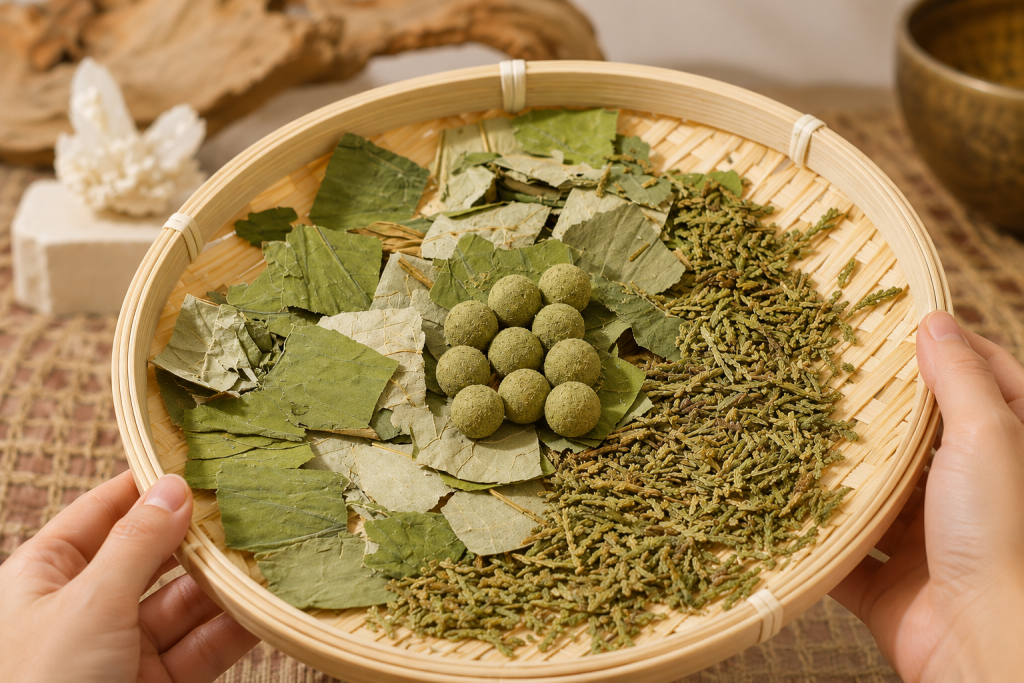
The scent behind this story
Slow Heart · Heated
Creamy sandalwood at the front, the quiet depth of agarwood, a soft resin sweetness underneath: 35 hand-rolled sandalwood incense pellets in a white porcelain jar, each rolled in fine sandalwood shavings. Heated at 150°C / 300°F, never burned, so no smoke and no ash. Our pick for reading, the desk and the tea table. Let the heart settle, and take your time with this moment. An incense burner is not included. Heat the pellets on a burner at 150°C / 300°F and never place them directly into a flame. How to use is below.
$68.00
View product →