Scent as a small courtesy · Handmade in rural Zhejiang, China

Agarwood (Oud): What It Is, How It Smells, Why It Is So Rare
Woods
Agarwood is the resin-filled wood that forms inside Aquilaria trees after they are wounded or infected by fungi. Healthy wood barely smells. Only the part that has filled with resin is worth anything. It smells cool, sweet and distant, and it turns sweeter when heated. In Arabic it is called oud, and China, Japan and the Middle East all count it among the most precious aromatics there are.
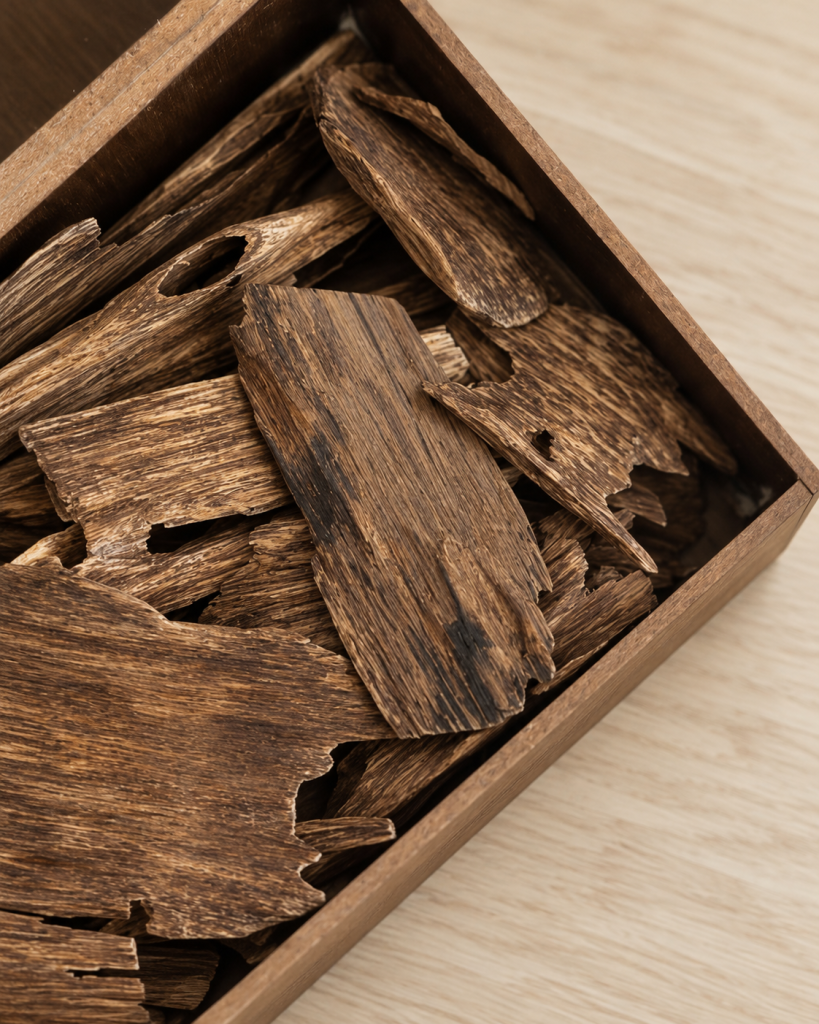
| Also known as | Chenxiang (沉香, “sinking incense”), aloeswood, oud. The top Japanese grade is called kyara |
| What it is | Wood of Aquilaria and Gyrinops trees that has filled with resin after injury or infection |
| Scent | Cool, sweet, distant. Faint at room temperature, sweeter when heated |
| Key compounds | 2-(2-phenylethyl)chromones and sesquiterpenes, almost absent from healthy trees |
| Grown in | Southeast Asia (Indonesia and Malaysia export the most), and Hainan and southern China |
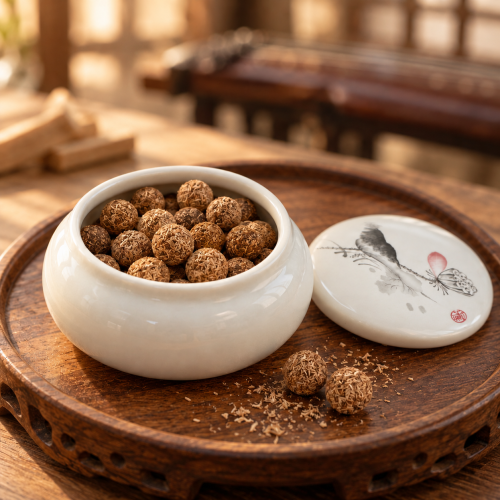
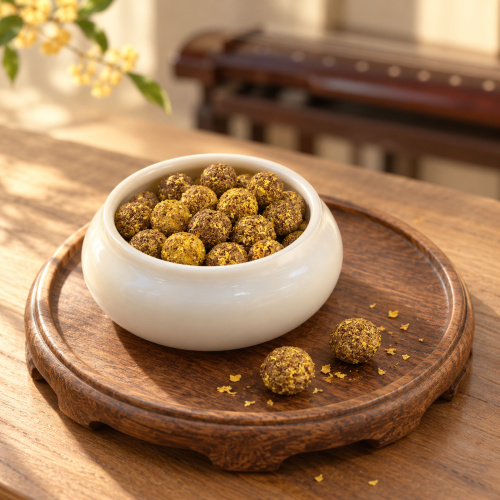
| Common forms | Chips, powder, incense sticks, incense pellets, oud oil, wooden beads |
| Protection | All Aquilaria and Gyrinops species are listed in CITES Appendix II. Aquilaria malaccensis is Critically Endangered on the IUCN Red List |
What is agarwood?
Agarwood is not a kind of tree. It is a scar the tree leaves behind. When an Aquilaria tree is broken by wind, bored by insects, cut, or infected by fungi, it pushes resin into the wood around the wound. Over time the pale, soft wood turns dark, heavy and oily. Wood without resin is so soft it is not even good for building.
The Chinese name comes from the same fact. The more resin, the heavier the wood, until it sinks in water.
Pieces that sink were called sinking-water incense. Pieces that half sink, or float, were ranked lower.
What does agarwood smell like?
Cool, sweet and distant, with a steady woody note underneath. Most of the smell comes from two groups of compounds, chromones and sesquiterpenes. The tree makes them only after it is wounded. Healthy Aquilaria wood has almost none, which is why wood without resin does not smell like agarwood.
Good agarwood shows spots like the markings on a partridge’s feathers. On the fire, its scent is very clear and strong.
Does agarwood smell without heat?
Barely. At room temperature you get a faint woody smell and a hint of sweetness. For the full scent you need gentle heat or fire. Heated, the sweetness comes through, with little smoke.
How do you use agarwood?
Agarwood gives off very little scent at room temperature, so most ways of using it involve heat.
| Way | How | Good for |
|---|---|---|
| Gently heated | Chips or pellets on an electric warmer, never lit | The clearest sweetness, very little smoke |
| As incense | Sticks, cones or pellets, burned | A room, meditation, ritual |
| As oud oil | Diluted and used in perfume | A woody base note in perfume |
| Worn on the wrist | Agarwood wood beads, or beads rolled from agarwood powder | Very faint at room temperature, noticed now and then up close |
How is agarwood different from other materials?
Three comparisons come up most: the grades of agarwood itself, sandalwood, which plays a similar role, and aloe, which shares part of its English name.
Grades: sinking, half sinking, floating
| Grade | Old name | What it means |
|---|---|---|
| Sinks | Chenxiang | The most resin. Sinks in water. Used in medicine and fine incense |
| Half sinks | Zhan incense | Half resin, half wood. Ranked below chenxiang in medicine |
| Floats | Huangshu incense | Light. The Bencao Gangmu says it is “not fit for medicine, but can be burned” |
In Japan the top grade is called kyara. In Chinese it is usually written qinan.
Similar role: agarwood vs sandalwood
| Agarwood | Sandalwood | |
|---|---|---|
| Comes from | Resin-filled wood of wounded Aquilaria trees | Heartwood of Santalum trees |
| Scent | Cool, sweet, distant. Sweeter when heated | Creamy, warm |
| Smells at room temperature | Faintly | Yes |
| CITES | Appendix II | Not listed |
The two are a classic pair in Chinese incense blends. Incense makers sum it up as tán qīng chén chén, “sandalwood is clear, agarwood is deep.” Sandalwood lifts a blend. Agarwood holds it down.
Often confused: aloeswood is not aloe
The English name aloeswood and the “aloes” of the Bible both mean this fragrant wood. Neither has anything to do with the aloe vera used in skin gels. Psalm 45 describes robes fragrant with myrrh, aloes and cassia.
Why is agarwood so expensive?
Only a few trees ever form it, and it takes years. In the wild, only a small share of Aquilaria trees contain agarwood at all, and demand is far greater than supply. A TRAFFIC report published by the FAO put agarwood chips at several hundred to several thousand US dollars per kilogram, and agarwood oil at 5,000 to 10,000 US dollars per kilogram, with the best grades higher still.
People noticed long ago that fewer than one or two trees in a hundred carry the scent.
In the Song dynasty the finest agarwood came from the Li mountain villages of Hainan, where “one piece cost ten thousand coins.”
What are the benefits of agarwood?
Agarwood has been used as medicine for about 1,500 years. Modern research has mostly stayed in animal studies so far. Below, each claim says who made it.
What Chinese medicine says
Traditional Chinese medicine used agarwood to move qi and ease pain, warm the stomach, stop vomiting and calm wheezing, and to clear foul air. China’s official standard for medicinal herbs describes it the same way today.
What modern research has found
| Claim | Evidence | What was found |
|---|---|---|
| Calming | Lab or animal | Mice that breathed agarwood oil vapor moved less. The active compounds were benzylacetone, calarene and α-gurjunene |
| Sleep | Lab or animal | Agarwood essential oil calmed mice and lengthened drug-induced sleep |
| Anxiety | Lab or animal | Smoke from qinan agarwood incense showed anti-anxiety and antidepressant-like effects in animal tests |
| Inflammation | Lab or animal | A review collected anti-inflammatory and other effects of Aquilaria materials in lab tests |
We found no reliable human trials so far.
Agarwood in history and culture
“One tree, five scents” was a mistake
An old story held that one tree gave five aromatics: its root was sandalwood, its knots agarwood, its flowers clove, its gum frankincense and its leaves patchouli. In fact each of the five comes from a different plant.
Wounding trees on purpose, a thousand years ago
About a thousand years ago, villagers in Guangdong already cut agarwood trees with knives on purpose. After a year of soaking in rain, the wounds turned into resin.
Plantation agarwood today works on the same idea. Wound the tree first, then wait for the resin.
The Middle East and Japan
In the Arab world agarwood is called oud, and its chips are burned in mosques. In Japan it is called jinkō, and the Shōsōin treasure house in Nara keeps a famous piece of agarwood known as Ranjatai.
Is agarwood safe?
Agarwood has been burned for well over a thousand years, and we found no reports of toxicity from normal incense use.
- Agarwood suits gentle heat. It makes far less smoke than burning, and the sweetness comes through more clearly. Keep the room ventilated when you burn sticks.
- Agarwood oil is expensive, and diluted or synthetic oud is common. Test any oil on a small patch of skin first.
Agarwood at ZendoDream
With agarwood, stronger is not better. Fake agarwood tends to smell sharp, heavy and one-note, and after a while it can leave you stuffy and light-headed. Real agarwood smells comfortable and soft. The agarwood we use gives off very little at room temperature. Once heated, a milky note comes out quickly, soft and soothing. People who make incense beads often set floral notes over an agarwood base.
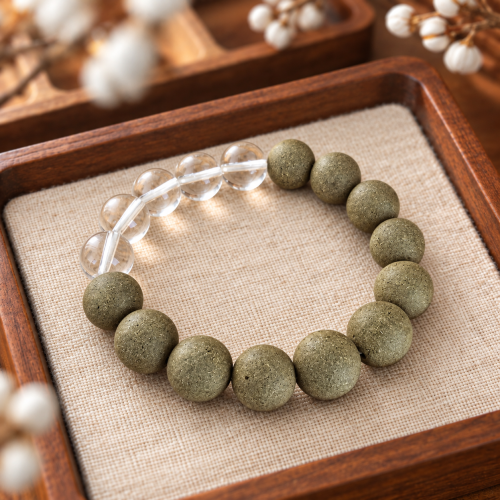
Green Hour · Worn uses agarwood to soften lavender: sweet, floral lavender, softened by agarwood, with a gentle woody-herbal warmth.
Pieces made with agarwood
-

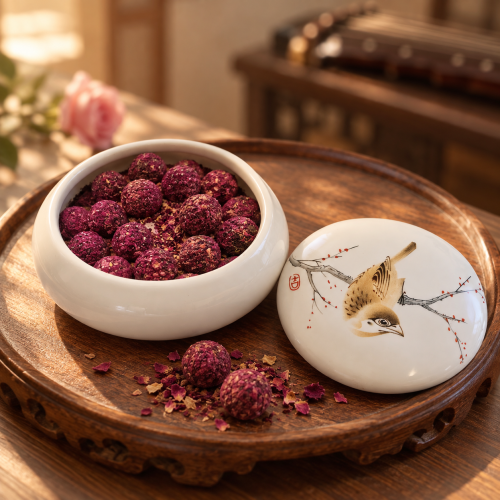
Singular Rose · Heated
$68.00 -
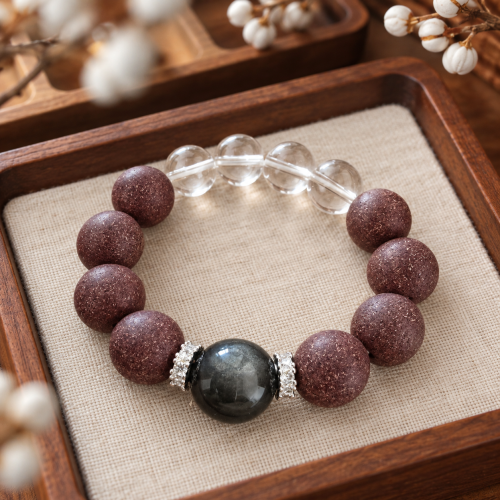
Singular Rose · Worn
Price range: $88.00 through $98.00Select options This product has multiple variants. The options may be chosen on the product page -
Green Hour · Worn
Price range: $88.00 through $98.00Select options This product has multiple variants. The options may be chosen on the product page -
Slow Heart · Heated
$68.00 -
Osmanthus Moon · Heated
$68.00
FAQ
What is agarwood?
It is the resin-filled wood that forms in Aquilaria trees after they are wounded or infected by fungi. Only the part with resin is valuable. Healthy wood barely smells.
What does agarwood smell like?
Cool, sweet and distant, with a steady woody base. It is faint at room temperature and sweeter when heated.
Is agarwood the same as oud?
Yes. Oud is the Arabic name for agarwood. A perfume that lists oud may use a synthetic note, though, not real agarwood.
Which is more expensive, agarwood or sandalwood?
Agarwood, as a rule. Agarwood oil usually sells for 5,000 to 10,000 US dollars per kilogram, more for the best grades, and chips sell for several hundred to several thousand dollars per kilogram. Prices for both vary a lot by grade and origin.
Why is agarwood so expensive?
Only a small share of wild Aquilaria trees ever form it, it takes years, and wild trees have been overharvested. Every agarwood-producing species is now controlled under CITES.
What is agarwood used for?
Incense, perfume and medicine. China, Japan and the Middle East all burn it, and Chinese herbal books have listed it as a medicine for over a thousand years.
Is agarwood in the Bible?
Yes. The “aloes” of the Bible are generally taken to be agarwood. They appear in Psalm 45 and in John 19.
Is agarwood incense safe?
We found no reports of toxicity from agarwood itself at normal use. Burning sticks makes smoke, so keep the room ventilated. For less smoke, warm agarwood chips on an electric burner instead.
Sources
- Agarwood: the ‘wood of the gods’, TRAFFIC report via FAO
- CITES CoP13, Committee I report
- CITES CoP19 Inf. 5
- Natural Product Reports, 2021, agarwood chemistry review
- Takemoto et al., 2008, Journal of Natural Medicines
- Agarwood essential oil and sleep in mice, Molecules, 2017
- Agarwood, Wikipedia
- Bencao Gangmu, Wood section, via Wikisource
This page is for general education. Health claims quoted from old texts and studies are not medical advice.